
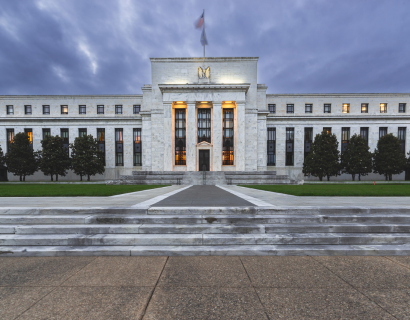
WASHINGTON, D.C. – Christopher Appel, Director of Banking Policy at Better Markets, issued the following statement in response to the Federal Reserve Board’s (Fed) changes to weaken its stress test:
“The Fed is turning its stress test into an ossified procedural exercise that will become increasingly disconnected from the risks facing the banking system. Five of the eight U.S. systemically important banks already face no additional capital requirement from the stress test beyond the minimum buffer of 2.5 percent. For these firms, the test has become an expensive charade with no incremental capital consequence. Today’s changes will make that problem worse by encouraging banks to optimize against predictable models while burdening the Fed’s ability to respond to emerging threats. This is the predictable consequence of regulators prioritizing industry complaints over protecting Americans from the devastating consequences of large bank failures. That approach is misguided and risks leaving taxpayers to bear the brunt of the next crisis.
“The Fed should stop relying on this increasingly hollow exercise to set capital requirements. Instead, it should use stress testing as a flexible supervisory tool to uncover vulnerabilities, challenge banks’ assumptions, and demand corrective action. Separating those functions would free supervisors to explore unexpected risks without turning every model adjustment into a fight over bank shareholders’ payouts. The goal should be to expose risks before they become crises, not sustain an elaborate process that delivers reassuring results with little to no practical consequence for the largest banks.”
###
Better Markets is a non-profit, non-partisan, and independent organization founded in the wake of the 2008 financial crisis to promote the public interest in the financial markets, support the financial reform of Wall Street and make our financial system work for all Americans again. Better Markets works with allies—including many in finance—to promote pro-market, pro-business and pro-growth policies that help build a stronger, safer financial system that protects and promotes Americans’ jobs, savings, retirements and more. To learn more, visit www.bettermarkets.org.


